
Something interesting is happening in China’s AI creator scene.
More and more filmmakers are experimenting with AI not just to generate images, but to explore new ways of telling stories.
At SHAIKE, we spoke with three creators from our community : Zima Orange, Remo Zhu and Lucy.D.Xie to hear how they see the future of AI filmmaking.
Their answers reveal very different visions of where this new medium might be heading.
Turning imagination into images

For Zima Orange, AI filmmaking represents a major shift in how stories can be visualized.
Cinema has always tried to capture reality. Cameras record the world as it is. But AI opens another possibility: creating images that come directly from imagination.
Instead of reproducing what already exists, filmmakers can now generate worlds that previously only lived in their minds.
In traditional filmmaking, turning an idea into a finished film often required large crews, expensive equipment and long production timelines.
AI changes that balance.
For creators like Zima, it allows ideas to move from concept to image much faster, giving filmmakers more freedom to explore their vision.
When creativity matters more than tools
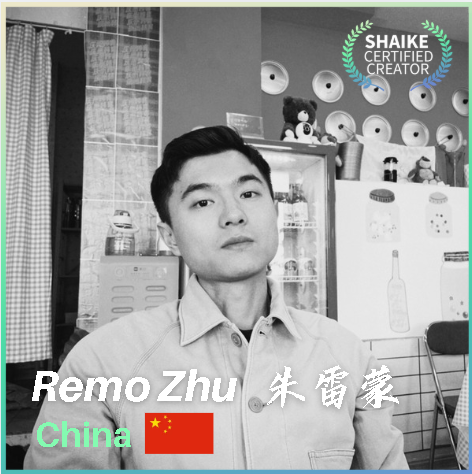
For Remo Zhu, AI is first and foremost a tool that lowers the barriers to creation.
Just like the invention of photography or digital cameras transformed visual culture, generative AI allows more people to experiment with filmmaking.
A single creator can now write, generate and edit a project without the traditional production structure.

But Remo also sees a clear challenge.
When tools become accessible to everyone, the difference will no longer be technology. It will be creativity.
AI will produce an enormous amount of content. But only the projects with strong artistic direction and meaningful storytelling will stand out.
In that sense, AI does not replace creativity. It makes it more important than ever.
A future of interactive cinema
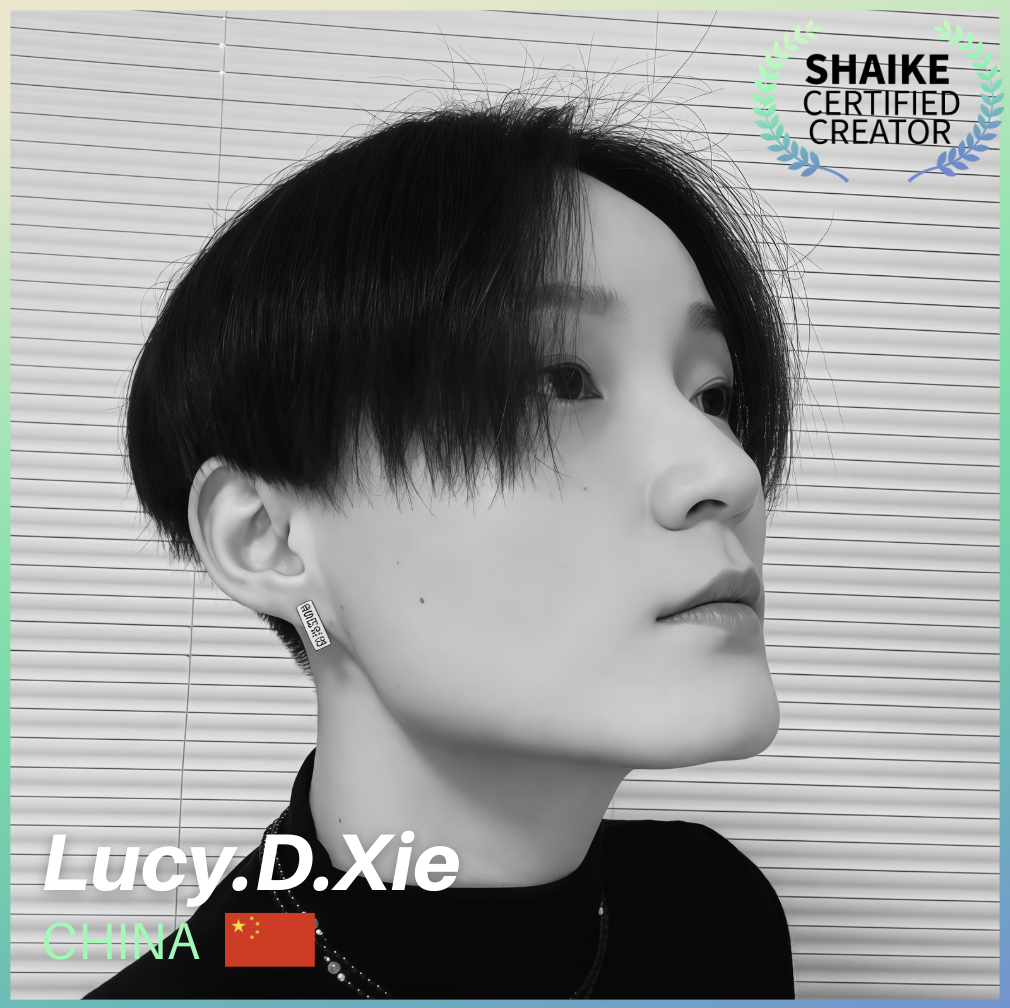
For Lucy, the future of AI filmmaking might move beyond the traditional idea of cinema.
Instead of simply watching a story, audiences could interact with it.
AI could allow films to become dynamic narrative environments where viewers influence the direction of the story. Different choices could lead to different narrative branches, turning a film into a living experience rather than a fixed work.
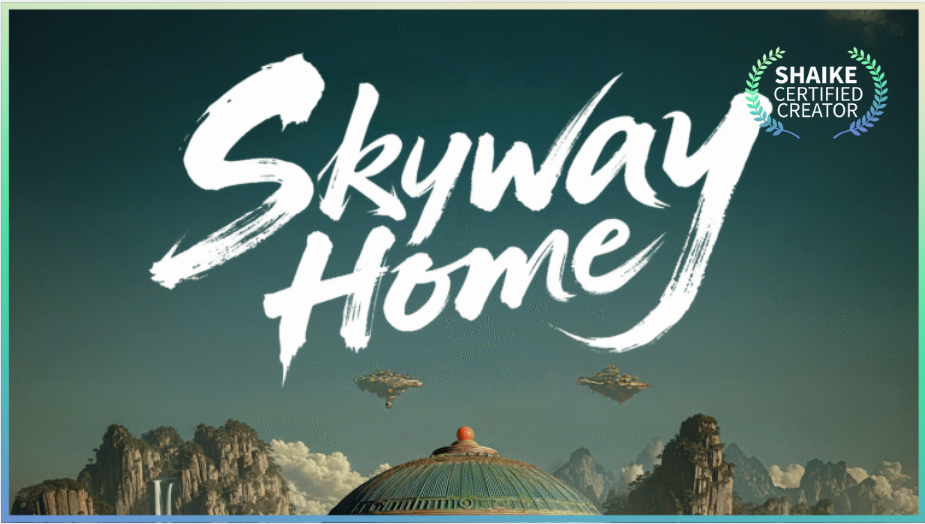
Lucy also notes that AI is already transforming creative industries such as advertising, where concepts can now be visualized instantly during the early stages of production.
Looking ahead, she believes hybrid workflows combining traditional filmmaking and AI will become increasingly common.
A new generation of creators
What connects these three voices is a shared sense that AI filmmaking is still in its early days.
The tools are evolving fast. The workflows are still being invented. And creators everywhere are trying to understand what this new medium can become.
Experiments are happening everywhere.
Some are technical.
Some are artistic.
But together they are shaping the language of AI cinema.
And creators like Zima Orange, Remo Zhu and Lucy are part of that exploration.
As AI filmmaking grows globally, we’re also sharing this article in Chinese for our creators and readers in China.
中国 AI 创作者生态正在发生什么?
中国的 AI 创作者圈正在发生一些有趣的变化。
越来越多的创作者开始使用 AI 进行影像创作。但他们关注的已经不仅仅是生成图像,而是在探索一种全新的叙事方式。
在 SHAIKE,我们与社区中的三位创作者进行了交流: Zima Orange、Remo Zhu 和 Lucy。
我们想知道:在他们看来,AI 电影的未来会走向哪里?
他们的回答展现了三种截然不同的视角,也让我们看到这个新媒介可能发展的多种方向。
当想象直接成为影像
在 Zima Orange 看来,AI 电影最大的变化在于:影像不再只是记录现实,而是可以直接来自想象。
传统电影的核心是摄影机。
摄影机记录现实世界,把已经存在的事物转化为影像。
而 AI 带来了另一种可能。
创作者可以生成那些原本只存在于脑海中的画面。
世界、场景、角色,都可以从想象直接变成影像。
在传统电影制作中,从一个创意到一部完整作品,往往需要大量团队、昂贵设备以及漫长的制作周期。
AI 改变了这种节奏。
对于像 Zima 这样的创作者来说,它让创意能够更快地从概念变成画面,也让创作者拥有更多探索视觉想象的空间。
当工具不再稀缺,创意才是关键
在 Remo Zhu 看来,AI 首先是一种降低创作门槛的工具。
就像摄影术和数字摄影机曾经改变视觉文化一样,生成式 AI 让更多人可以参与到影像创作中。
一个创作者现在就可以独立完成:
写故事、生成画面、剪辑影片。
但 Remo 也提出了一个重要的问题。
当工具变得人人可用,真正的差异将不再来自技术,而是来自创意。
AI 会产生海量内容。
但最终能够被记住的,仍然是那些拥有清晰艺术方向和强叙事能力的作品。
在这个意义上,AI 并没有削弱创意。
反而让创意变得比以往任何时候都更加重要。
互动电影的未来
Lucy 认为,AI 电影的未来可能会超越我们今天理解的“电影”。
观众不再只是观看故事,而是可以参与其中。
AI 可以让电影变成一种动态叙事环境。
观众的选择会影响故事的发展,不同的选择可能带来不同的剧情路径。
电影不再是一个固定的作品,而是一个不断变化的体验。
Lucy 同时提到,AI 已经开始改变广告等创意行业。
在创作初期,创意概念现在可以被快速可视化,大大加快了创意探索的过程。
未来,她认为 传统电影制作与 AI 的混合流程将变得越来越常见。
新一代 AI 创作者
三位创作者的观点各不相同,但他们有一个共同的判断:
AI 电影仍然处在非常早期的阶段。
工具在快速进化。
创作流程仍在不断被发明。
世界各地的创作者都在尝试理解这种新媒介的可能性。
有些实验是技术层面的。
有些则是艺术层面的。
但所有这些探索,正在逐渐形成 AI 电影的语言。
而像 Zima Orange、Remo Zhu 和 Lucy 这样的创作者,正是这场探索的一部分。